What Should Seniors Keep by the Bed?
A bedside table should hold the items an older adult uses most often during the night or first thing in the morning. Keeping these essentials within easy reach makes nighttime more comfortable and reduces unnecessary trips across the room.
The goal isn’t to fill the nightstand.
It’s to keep only the things that are truly useful.
A Glass or Bottle of Water
Many people like to have water nearby before going to sleep.
Keeping a glass or reusable water bottle on the bedside table means there’s no need to walk to the kitchen during the night.
Choose a container that’s easy to hold and unlikely to spill.
A Lamp That’s Easy to Reach
A bedside lamp provides enough light without requiring someone to cross a dark room.
Choose a lamp with:
- A large switch
- Touch controls
- Easy-to-reach placement
Good lighting makes getting up during the night much easier.
Reading Glasses
If reading glasses are used every day, they should have a dedicated place on the nightstand.
A small tray or glasses holder helps prevent them from being misplaced.
Keeping them in the same spot each night also builds a helpful routine.
A Phone
A charged phone can be useful for:
- Calling family
- Checking the time
- Setting reminders
- Contacting emergency services if needed
Place the phone where it’s easy to reach without stretching.
Avoid leaving charging cables across walking paths.
A Simple Clock
Many people prefer a bedside clock with large, easy-to-read numbers.
It should be visible from the bed without being overly bright.
A clock that’s too bright may disturb sleep.
A Flashlight
Power outages are uncommon, but they do happen.
A small flashlight in the bedside drawer provides peace of mind.
Check the batteries every few months to make sure it still works.
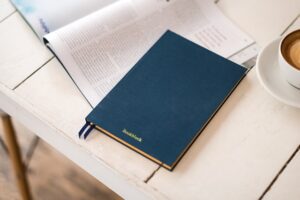
A Notepad and Pen
Sometimes people remember something important just before falling asleep.
A small notebook is useful for writing down:
- Shopping ideas
- Phone numbers
- Questions
- Appointments
- Family reminders
Writing it down means there’s no need to worry about forgetting it by morning.
Tissues
A small box of tissues is useful to keep nearby.
It saves unnecessary trips across the room during the night.
A Favorite Book
Many older adults enjoy reading before bed.
Keep one book on the bedside table rather than creating a stack of several books.
A tidy nightstand feels calmer and is easier to use.
A Small Basket for Essentials
A basket helps keep smaller items together.
It can hold things like:
- Lip balm
- Hand cream
- Reading glasses
- Nail file
- Bookmark
Simple organization makes everything easier to find.
Keep Cords Organized
Phone chargers and lamp cords should stay against the wall whenever possible.
Loose cables near the bed can become trip hazards.
Simple cable clips help keep everything neat.
Avoid Clutter
Nightstands tend to collect unnecessary items over time.
Every few weeks, remove things that are no longer needed.
A clear surface makes it easier to find important items quickly.
Keep the Floor Clear
The space beside the bed should stay free of:
- Shoes
- Bags
- Laundry
- Boxes
- Books
A clear floor makes getting out of bed much safer.
Place Frequently Used Items on Top
The most commonly used items should stay on the tabletop.
Less frequently used items can be stored in a drawer.
This reduces bending and searching.
Add a Small Waste Basket
A small trash bin beside the bed helps keep tissues and small pieces of paper from collecting on the nightstand.
Choose one that’s lightweight and easy to empty.
Keep the Nightstand Stable
A bedside table should feel sturdy.
If it wobbles, repair or replace it.
People often lean on bedside furniture when getting into or out of bed.
Stable furniture provides better support.
Choose the Right Height
Ideally, the top of the nightstand should be close to the height of the mattress.
This makes it easier to reach items without stretching or twisting.
Keep Only What You Use
Not everything belongs on a bedside table.
If an item hasn’t been used in months, consider storing it somewhere else.
A simple nightstand is usually the most practical.
Refresh the Nightstand Regularly
Every month, take a few minutes to:
- Dust the surface.
- Organize drawers.
- Replace old tissues.
- Check the flashlight.
- Remove unnecessary items.
Regular maintenance keeps everything working well.
Make It Feel Personal
Practical doesn’t have to mean plain.
A favorite family photo, a small plant, or a meaningful keepsake can make the bedside area feel warm and welcoming.
Just avoid overcrowding the space.
Final Thoughts
A well-organized bedside table makes everyday life simpler.
By keeping essential items close at hand, reducing clutter, and maintaining a clear path around the bed, older adults can enjoy greater comfort and convenience every day.
Sometimes the smallest changes—like placing a lamp, a glass of water, and a pair of reading glasses within easy reach—can make a noticeable difference in daily routines.