How Do You Create a Paperwork Station for Seniors?
A paperwork station is a dedicated place where important papers can be sorted, stored, and reviewed. Instead of leaving documents on the kitchen table or scattered around the house, everything stays together in one organized location.
The station doesn’t need its own room.
A small desk, cabinet, or corner of a room is often enough.
Choose One Permanent Location
The most important decision is choosing one place.
Good options include:
- A small desk
- A writing table
- A cabinet with drawers
- A quiet corner of the living room
Once you choose a location, avoid moving it.
A permanent spot makes paperwork easier to manage.
Keep a Comfortable Chair Nearby
Paperwork often takes time.
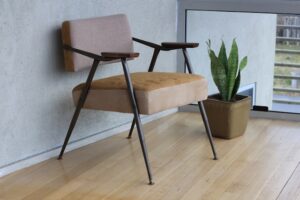
Choose a chair that’s comfortable and supportive.
Good seating makes it easier to read letters, organize papers, or write notes without feeling rushed.
Use a Simple File Organizer
A small desktop file organizer keeps papers from piling up.
Label sections such as:
- To Read
- To File
- Bills
- Receipts
- Personal Letters
Simple categories are easier to maintain.
Add a Calendar
A calendar belongs in every paperwork station.
Use it to keep track of:
- Family visits
- Birthdays
- Community events
- Household reminders
Seeing important dates in one place makes planning easier.
Keep Pens Together
Searching for a pen wastes time.
Use a small container to store:
- Pens
- Pencils
- Highlighters
- Markers
Everything stays within easy reach.
Store Envelopes and Stamps
Keep mailing supplies together.
A small drawer or organizer can hold:
- Envelopes
- Stamps
- Address labels
- Paper clips
Having everything ready makes sending mail much easier.
Organize Incoming Mail
As new mail arrives, sort it immediately.
Create simple groups such as:
- Important
- Personal
- To Recycle
Avoid letting unopened envelopes pile up.
Keep a Notepad Nearby
A notepad is useful for writing:
- Shopping lists
- Questions
- Phone messages
- Reminders
Small notes are less likely to be forgotten when they’re written down.
Use a Small Waste Basket
A waste basket beside the desk encourages quick cleanup.
Recycle unnecessary papers regularly.
A tidy workspace is easier to use.
Add Good Lighting
Reading letters is easier with proper lighting.
Choose a desk lamp or floor lamp that provides bright, comfortable light without glare.
Store Frequently Used Documents Nearby
Keep everyday paperwork close at hand.
Examples include:
- Insurance cards
- Contact lists
- Appointment cards
- Household information
Less frequently used papers can stay in long-term storage.
Keep Chargers Organized
If a phone or tablet is used at the paperwork station, secure charging cables with simple cable clips.
Neatly arranged cords create a cleaner workspace.
Limit Decorations
One framed family photo or a small plant can make the area feel welcoming.
Avoid filling the workspace with decorations that reduce usable space.
Review the Station Weekly
Once a week, spend a few minutes:
- Filing papers
- Recycling unwanted mail
- Refilling notepads
- Returning misplaced items
Regular maintenance prevents paperwork from becoming overwhelming.
Avoid Using It as Storage
The paperwork station shouldn’t become a place for random household items.
Avoid leaving:
- Shopping bags
- Keys
- Kitchen supplies
- Laundry
Every item should have a purpose.
Keep Family Information Together
One folder can contain useful household information such as:
- Emergency contacts
- Service providers
- Appliance warranties
- Home maintenance records
Keeping these papers together saves time when they’re needed.
Make It Easy to Reach
Avoid placing the paperwork station in a crowded room.
Choose a quiet, comfortable location that’s easy to access every day.
Convenience encourages regular use.
Build a Simple Habit
Spend five or ten minutes at the paperwork station every few days.
File papers.
Check the calendar.
Recycle unwanted mail.
Small habits prevent paperwork from becoming a large project.
Focus on Simplicity
The best paperwork station isn’t the one with the most organizers.
It’s the one that’s easy to use every day.
Simple systems are the easiest to maintain.
Final Thoughts
A dedicated paperwork station brings order to one of the busiest parts of the home.
By keeping important papers, calendars, writing supplies, and household information together, older adults and their families can spend less time searching and more time enjoying everyday life.
A little organization today can save a lot of frustration tomorrow.