How Do You Organize a Senior’s Kitchen?
An organized kitchen helps older adults prepare meals more comfortably and spend less time searching for everyday items. The goal isn’t to redesign the kitchen. It’s to arrange it so the most frequently used items are easy to reach and simple to find.
Small changes often make the biggest difference.
You don’t need expensive organizers or custom cabinets.
Start With Everyday Items
Walk through the kitchen and identify the items used every day.
Examples include:
- Plates
- Bowls
- Coffee mugs
- Glasses
- Cutlery
- Cooking utensils
These should be stored in the easiest-to-reach cabinets.
Group Similar Items Together
Keeping similar items together saves time.
For example:
- Baking supplies in one cabinet.
- Coffee and tea together.
- Breakfast foods on one shelf.
- Pots and pans in the same area.
Simple organization makes cooking more enjoyable.
Clear the Countertops
Counter space is valuable.
Keep only everyday essentials on the counter, such as:
- Coffee maker
- Electric kettle
- Fruit bowl
Everything else can be stored inside cabinets.
A clear workspace feels larger and is easier to clean.
Store Heavy Items Lower
Large pots, mixing bowls, and small appliances should be stored on lower shelves.
Avoid lifting heavy objects from overhead cabinets whenever possible.
This reduces unnecessary reaching.
Place Frequently Used Items Between Waist and Shoulder Height
The easiest shelves to reach should hold the items used most often.
Examples include:
- Dinner plates
- Drinking glasses
- Coffee cups
- Favorite snacks
Less bending and stretching makes daily tasks easier.
Organize the Pantry
A tidy pantry saves time every day.
Group foods into simple sections:
- Breakfast
- Pasta and rice
- Canned goods
- Snacks
- Baking supplies
- Spices
Keeping similar foods together makes shopping easier too.
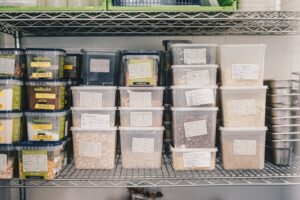
Use Clear Storage Containers
Transparent containers make it easy to see what’s inside.
They’re useful for storing:
- Rice
- Flour
- Sugar
- Pasta
- Cereal
Simple labels make them even more convenient.
Label Shelves
Large labels help everyone return items to the correct place.
Examples include:
- Coffee
- Tea
- Snacks
- Baking
- Canned Foods
Consistency keeps the kitchen organized.
Keep the Refrigerator Organized
Store similar foods together.
For example:
- Dairy products
- Drinks
- Fruits
- Vegetables
- Leftovers
An organized refrigerator makes meal preparation quicker.
Use Drawer Organizers
Kitchen drawers become messy very quickly.
Simple organizers keep:
- Spoons
- Forks
- Knives
- Measuring spoons
- Cooking tools
separated and easy to find.
Create a Beverage Station
Keep tea, coffee, mugs, sugar, and spoons together.
Having everything in one place makes preparing a favorite drink quicker and more enjoyable.
Store Cleaning Supplies Together
Cleaning products should have their own cabinet.
Keep them separate from food and cooking supplies.
A labeled container helps everything stay organized.
Remove Duplicate Items
Many kitchens collect unnecessary extras.
Look for:
- Multiple can openers.
- Extra measuring cups.
- Duplicate serving spoons.
- Unused mugs.
Keep the favorites and donate the rest.
Keep a Shopping List Nearby
Place a notepad or magnetic whiteboard on the refrigerator.
Whenever something runs low, add it immediately.
This helps prevent forgotten grocery items.
Make Trash Easy to Reach
The kitchen trash bin should be convenient but not in the way.
Easy access encourages quick cleanup after meals.
Leave Room to Work
Avoid filling every inch of the countertop with appliances.
Open workspace makes food preparation easier and keeps the kitchen feeling less crowded.
Review the Kitchen Every Few Months
Take a little time to:
- Throw away expired pantry items.
- Reorganize shelves.
- Wipe containers.
- Donate unused kitchen tools.
Regular maintenance keeps the kitchen easy to manage.
Keep It Familiar
Avoid changing the kitchen layout too often.
Once everything has a place, keep it there.
Knowing exactly where things belong saves time and reduces frustration.
Focus on Convenience
Every organizing decision should answer one question:
“Will this make everyday cooking easier?”
If the answer is yes, you’re moving in the right direction.
Final Thoughts
A well-organized kitchen makes everyday life simpler.
By keeping frequently used items within easy reach, reducing clutter, and grouping similar items together, older adults can enjoy a kitchen that’s easier to use and more pleasant to spend time in.
The best kitchen isn’t the one with the most storage.
It’s the one where everything has a logical place and everyday tasks feel effortless.