How Do You Organize Important Papers at Home?
Organizing important papers starts with keeping everything in one place. Instead of searching through drawers, kitchen counters, and old boxes, create a simple filing system that makes every document easy to find.
You don’t need an office full of filing cabinets.
A small file box, binder, or filing drawer is usually enough.
The goal is to know exactly where every important document belongs.
Gather Everything First
Before organizing anything, collect papers from around the house.
Look in places like:
- Kitchen drawers
- Desk drawers
- Filing cabinets
- Bookshelves
- Countertops
- Storage boxes
Seeing everything together makes it easier to sort.
Throw Away Unnecessary Papers
Not every piece of paper needs to be kept.
Recycle or shred items like:
- Old advertisements
- Expired coupons
- Instruction manuals for items you no longer own
- Duplicate receipts
- Junk mail
Removing clutter makes organizing much easier.
Create Simple Categories
Don’t overcomplicate your filing system.
Start with categories such as:
- Personal Records
- Home Documents
- Financial Papers
- Insurance
- Vehicle Records
- Tax Documents
- Household Bills
Simple folders are easier to maintain.
Label Every Folder
Large, easy-to-read labels help you find documents quickly.
Avoid writing vague labels like “Miscellaneous.”
Instead, use clear names that describe exactly what’s inside.
File Papers Immediately
Whenever a new important document arrives, file it right away.
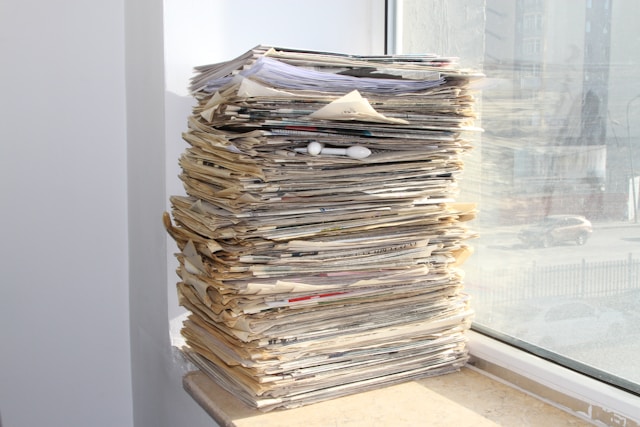
Waiting until “later” often creates stacks of paper that become overwhelming.
A two-minute task today prevents a much bigger job later.
Keep Frequently Used Papers Together
Some documents are used more often than others.
Examples include:
- Insurance cards
- Appointment letters
- Utility bills
- Warranty information
Store these near the front of your filing system for quick access.
Separate Active and Archived Papers
Some papers are still in regular use.
Others are simply being kept for reference.
Keeping these separate prevents unnecessary searching.
Use Plastic Sleeves for Valuable Documents
Important certificates and original paperwork deserve extra protection.
Plastic document sleeves help protect papers from:
- Dust
- Moisture
- Folding
- Everyday handling
It’s a simple way to keep documents in good condition.
Store Receipts Carefully
Receipts for major purchases are worth keeping together.
Consider one folder labeled:
Home Purchases
This makes warranties and returns much easier if they’re ever needed.
Create a Household Information Folder
One folder can contain helpful information such as:
- Appliance manuals
- Home maintenance records
- Paint colors
- Service contacts
- Spare key locations
Keeping household information together saves time.
Review the Files Once a Year
Paperwork grows quickly.
Choose one day each year to:
- Remove outdated documents.
- Update folders.
- Replace worn labels.
- Add new records.
A yearly review keeps the system manageable.
Keep the Filing Area Tidy
Avoid letting loose papers pile up beside the filing box.
The filing system works best when everything has its place.
A tidy storage area also makes cleaning easier.
Protect Documents From Sunlight
Long-term exposure to direct sunlight can fade paper and ink.
Store important files in a cool, dry location away from windows.
Use a Simple Color System
Some people find colored folders helpful.
For example:
- Blue for financial papers.
- Green for home records.
- Yellow for insurance.
- Red for emergency information.
The exact colors don’t matter.
Consistency does.
Keep Emergency Information Easy to Find
One folder should always be clearly marked.
Include:
- Emergency contacts.
- Home address.
- Important phone numbers.
- Insurance information.
This folder should be one of the easiest to locate.
Don’t Overfill Folders
Stuffed folders become difficult to use.
If one folder becomes too full, divide it into smaller categories.
Simple organization saves time later.
Store Digital Copies When Possible
Scanning important paperwork creates an additional backup.
Organize digital files using the same folder names as your paper files.
Matching systems are easier to remember.
Make It a Family System
If more than one person helps manage the household, everyone should understand the filing system.
When everyone files papers the same way, documents stay organized.
Keep It Simple
The best filing system isn’t the most detailed one.
It’s the one you’ll actually use.
Simple categories, clear labels, and regular maintenance are usually all that’s needed.
Final Thoughts
An organized filing system makes everyday life easier.
Instead of wasting time searching through piles of paperwork, you’ll know exactly where important documents are stored.
A few folders, clear labels, and a consistent routine can turn household paperwork from a source of frustration into a system that works for the entire family.