How Do You Organize a Senior’s Living Room?
A well-organized living room should be comfortable, easy to move around in, and simple to maintain. It doesn’t need expensive furniture or a complete makeover. Small changes can make the room feel more open and enjoyable every day.
The living room is often the most frequently used space in the home.
That’s why keeping it organized makes such a difference.
Start by Clearing the Floor
The first step is creating open walking space.
Remove anything that doesn’t belong on the floor.
Look for:
- Magazines
- Shoes
- Shopping bags
- Boxes
- Electrical cords
- Pet toys
A clear floor immediately makes the room feel larger.
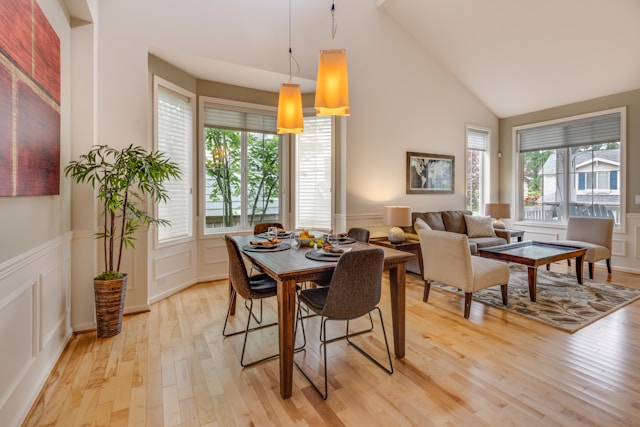
Arrange Furniture for Easy Movement
Furniture should never block the natural walking path.
Leave enough space to move comfortably between:
- Sofa
- Chairs
- Coffee table
- Television
- Doorways
Simple layouts are usually the easiest to use.
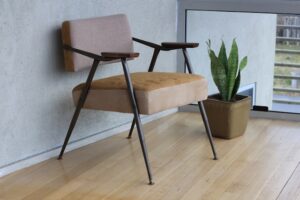
Choose One Comfortable Chair
Many older adults have one favorite chair.
Make sure it is:
- Easy to sit in.
- Easy to stand up from.
- Close to good lighting.
- Near a small table.
Comfort matters more than style.
Keep the Remote Easy to Find
Television remotes often disappear between cushions.
Choose one permanent place for the remote.
Examples include:
- Small basket
- Side table
- Decorative tray
Returning it to the same place every day saves frustration.
Add a Small Side Table
A side table keeps everyday items within reach.
It can hold:
- Reading glasses
- Water bottle
- Book
- Phone
- Notebook
Everything stays nearby without cluttering the room.
Organize Books and Magazines
Books and magazines quickly pile up.
Keep only current favorites nearby.
Store or donate older magazines that are no longer being read.
A tidy bookshelf makes the room feel calmer.
Improve the Lighting
Good lighting makes reading, puzzles, and hobbies much easier.
Consider:
- Floor lamp
- Table lamp
- Brighter light bulbs
Place lighting near the favorite seating area.
Keep Blankets Nearby
A lightweight throw blanket adds comfort without creating clutter.
Fold it neatly over a chair or place it in a decorative basket.
It’s easy to reach whenever needed.
Create a Reading Corner
If space allows, create a quiet reading area.
Include:
- Comfortable chair
- Good lighting
- Small table
- Basket for books
A dedicated space encourages relaxing hobbies.
Hide Charging Cables
Phone chargers and extension cords should stay neatly organized.
Use cable clips or cord organizers whenever possible.
Loose cables make the room look untidy and create unnecessary obstacles.
Keep Decorations Simple
Too many decorative items make dusting harder.
Choose a few meaningful decorations instead of filling every shelf.
Simple rooms often feel more peaceful.
Add a Basket for Everyday Items
A decorative basket can hold:
- Knitting supplies
- Crossword books
- Reading glasses
- TV guide
- Remote controls
Everything stays organized without looking messy.
Keep Pathways Open
Walk through the room regularly.
Ask yourself:
- Can someone walk comfortably?
- Is furniture too close together?
- Has clutter started to build?
Small adjustments keep the room easy to use.
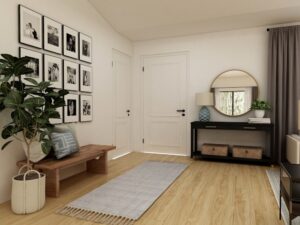
Display Family Photos
Family photographs make a room feel welcoming.
Choose a few favorite pictures rather than displaying dozens.
A simple display feels organized while still being personal.
Store Hobby Supplies Together
Whether someone enjoys knitting, painting, puzzles, or crafts, keep those supplies in one dedicated container.
This makes it easier to start and finish hobbies.
Reduce Noise
A peaceful room is easier to enjoy.
Turn off televisions or radios when they’re not being used.
A quieter space often feels more relaxing.
Dust Regularly
Living rooms collect dust quickly.
A quick dusting once a week helps keep shelves, tables, and furniture looking fresh.
Regular cleaning also prevents larger jobs later.
Review the Room Every Few Months
Over time, clutter naturally returns.
Every few months:
- Remove unused items.
- Rearrange furniture if needed.
- Donate things no longer used.
- Refresh decorative displays.
Small updates keep the room comfortable.
Make the Room Feel Like Home
Organization shouldn’t remove personality.
Keep favorite books.
Display meaningful photos.
Use familiar furniture.
A comfortable living room should reflect the person who lives there.
Final Thoughts
An organized living room is more than a tidy space.
It’s a place to relax, spend time with family, enjoy hobbies, and feel at home.
By reducing clutter, keeping everyday items within easy reach, and arranging furniture thoughtfully, you can create a living room that’s both practical and welcoming.
Small improvements often make the biggest difference in everyday comfort.