What Should Seniors Keep Near the Front Door?
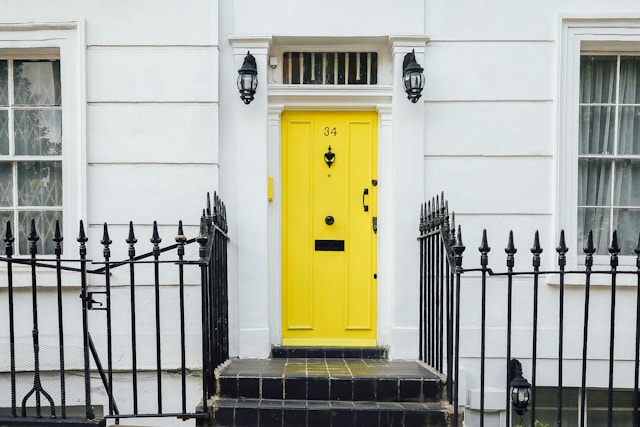
The area near the front door should hold only the items used almost every time someone leaves the house. Keeping everyday essentials together saves time, reduces frustration, and helps create a simple routine.
The goal isn’t to turn the entryway into a storage room.
It’s to make daily life more convenient.
House Keys
Keys should always have one permanent home.
Good options include:
- A key hook
- A decorative bowl
- A small tray
- A wall-mounted organizer
Returning keys to the same place every time prevents last-minute searching.
Reusable Shopping Bags
Reusable bags are easy to forget if they’re stored in another room.
Keep a few folded bags near the door.
A basket or wall hook works well.
They’re always ready for shopping trips.
A Lightweight Jacket
Weather can change quickly.
Keeping one lightweight jacket near the entrance makes it easy to grab before leaving.
Rotate jackets as the seasons change.
Umbrella
A compact umbrella is useful even on days when rain isn’t expected.
Store it in:
- An umbrella stand
- A tall basket
- A wall hook
Allow wet umbrellas to dry before putting them away.
Comfortable Walking Shoes
Many people have one pair of shoes they wear most often.
Keep only those everyday shoes near the entrance.
Extra footwear belongs in a closet or bedroom.
Less clutter makes the entryway easier to keep tidy.
Sunglasses
A small tray or basket is a good place for sunglasses.
Keeping them near the door makes them easy to remember before heading outside.
A Small Mirror
A mirror near the entrance provides a quick final check before leaving.
It also helps brighten a small entryway by reflecting natural light.
A Weather Reminder
Some families place a small weather station or digital display near the door.
Others simply check the weather on their phone before leaving.
Knowing the day’s forecast helps with choosing clothing and planning errands.
A Notepad
A small notebook can be surprisingly useful.
Write down:
- Things to buy
- Places to visit
- Questions to remember
- Quick reminders
Keeping the notebook by the door makes it easy to grab before leaving.
Emergency Contact List
A printed list of important phone numbers can be helpful.
Include:
- Family members
- Trusted neighbors
- Local taxi service
- Pharmacy
- Family doctor
Update the list whenever contact information changes.
Flashlight
A small flashlight near the entrance is useful during power outages or when returning home after dark.
Check the batteries from time to time.
Pet Supplies
If there’s a dog in the home, keep walking supplies together.
For example:
- Leash
- Waste bags
- Treats
Having everything in one place makes walks easier.
Mail Basket
Instead of leaving mail on a table, use one dedicated basket.
Sort through it regularly.
Recycle unwanted papers and file important documents promptly.
Hand Sanitizer
A small bottle of hand sanitizer near the entrance is convenient after returning from errands.
Keep it on a tray so it doesn’t get lost among other items.
A Comfortable Chair
If space allows, place a sturdy chair or bench near the front door.
It provides a comfortable place to:
- Put on shoes
- Remove boots
- Set down shopping bags
Choose furniture that’s easy to sit on and stand up from.
Seasonal Items
Only keep current seasonal items near the entrance.
Examples include:
- Raincoat
- Sun hat
- Gloves
- Scarf
Store everything else elsewhere to reduce clutter.
Keep the Floor Clear
Avoid leaving anything on the floor.
Examples include:
- Bags
- Shoes
- Packages
- Umbrellas
A clear entryway is easier to walk through and easier to clean.
Keep It Organized
Take a few minutes each week to tidy the area.
Return items to their proper place.
Throw away unnecessary papers.
Remove anything that no longer belongs near the entrance.
Small habits prevent large amounts of clutter.
Think About Your Daily Routine
Stand by the front door and ask yourself:
“What do I reach for every time I leave home?”
Those are the items that belong nearby.
Everything else can usually be stored somewhere else.
Final Thoughts
The area near the front door should make daily routines easier—not more complicated.
By keeping everyday essentials together and removing unnecessary clutter, older adults can leave home with confidence and return to a space that feels calm, organized, and welcoming.
Sometimes the simplest routines begin with the smallest corner of the house.